Support Until The End: What Happens in Palliative Care?
Palliative and End-Of-Life care can be a taboo topic, but being kept in the dark about what the next stage of our lives could involve can create a lot of anxiety. We’ve put together this useful blog post to help you understand exactly what palliative care is, how it differs from end of life care and what it might look like for you and your loves ones.
What does Palliative Care Mean?
Palliative care is an additional layer of support, specialised for people with life-limiting, serious illnesses. A highly-trained team of nurses and medical professionals work together to provide relief from the symptoms and stress of a person’s condition, resulting in the best possible quality of life for the individual and their family. Contrary to many people’s assumptions, palliative care can include the use of curative treatments, however, its main focus is symptom management and the wellbeing of the individual.
End-of-life care is slightly different to palliative care, as it specifically supports people who are likely to be in the final 12 months of their life, although this can sometimes be difficult to predict. It is usually given to people with terminal illnesses once curative treatments have stopped. Similarly to palliative care, end-of-life care focuses on the individual's comfort and emotional wellbeing, as well as supporting the family through this difficult time. There is no set length of time that someone can receive palliative care, and it can last anywhere from a few days to several years, depending on the person’s condition.
Where is Palliative Care given?
Palliative care can be given in a variety of facilities, including:
Hospitals
Hospices
At Home
Or in a Care Home
In all of these options, the core fundamentals of palliative care remain the same, although there are benefits and drawbacks to each type. For example, hospices may have more specialist physicians if you have a particularly complex illness, but moving into a facility that focuses on end-of-life care could be emotionally draining. At-home palliative care can be a great way to maintain a sense of normality, however this can be expensive and there are fewer people on hand should you need emergency support. It is vital to look into the different types of palliative care with the individuals choices and preferred lifestyle in mind.
Many care homes offer palliative care in a homely, social environment that will maintain residents existing routines, however, if you’re not already receiving residential or nursing care in a care home, many people would prefer to stay at home to avoid a potentially stressful move. This is also why many care homes offer a continuum of care, which allows for the seamless transition between care types and avoids significant changes and moves at an already potentially difficult time. It also allows for residents to stay with nurses that they know and who are aware of their care needs, remain in a familiar environment with 24-hour support and dining tailored to their preferences, and make use of the home’s facilities such as activity programmes and private gardens.
Who is Palliative Care For?
As soon as a person is diagnosed with a serious condition, palliative care can begin. Because of this, the length of time a person receives palliative care, as well as their clinical needs can vary greatly, which also means that the approach is highly personalised to each individual. Care can begin as soon as the individual feels like they could benefit from an additional level of support.
Palliative care supports people with advanced and progressive conditions such as:
Cancer
Dementia, including Alzheimer’s Disease
ALS (Amyotrophic Lateral Sclerosis)
Heart Disease
Multiple Sclerosis (MS)
Parkinson’s Disease
Chronic Illnesses
Those recovering from a serious medical event such as a stroke or severe accident
What Happens in Palliative Care Homes?
First and foremost, palliative care focuses on providing the highest quality of life for the individual, by maintaining their comfort and physical & emotional wellbeing. This is done through symptom relief, psychological support and creating a calming and nurturing environment.
Symptoms that palliative care can support with include:
Pain
Nausea
Insomnia and fatigue
Shortness of breath
Loss of appetite
Confusion
Anxiety & Depression
Stress
As well as clinical and emotional care, a person’s palliative care team can help them better understand their condition and how it may impact the rest of their life, so they can make informed decisions about the type of treatment they would like receive.
Team of healthcare professionals including care home nurses, GPs, social workers and specialist physicians work together with the resident and their family to provide seamless support. This is where a digital personalised care plan is essential, as this ensures the individual’s up-to-date needs and preferences are recorded and met at all times.
Personalised care plans
Personalised care plans in palliative care ensure that each resident receives support that reflects their unique needs, preferences, and values. These plans are developed in collaboration with the resident, their family, and healthcare professionals and they outline important aspects of care such as pain and symptom management, emotional and spiritual support, dietary needs, cultural considerations and the person’s wishes regarding end-of-life care.
Every person experiences illness and the end of life differently and have the right to choose how they want their final moments to look. A personalised care plan helps staff provide consistent, compassionate and appropriate support as well as ensuring that residents are in control of their care, and their dignity and comfort is maintained.

Palliative Care in a Care Home
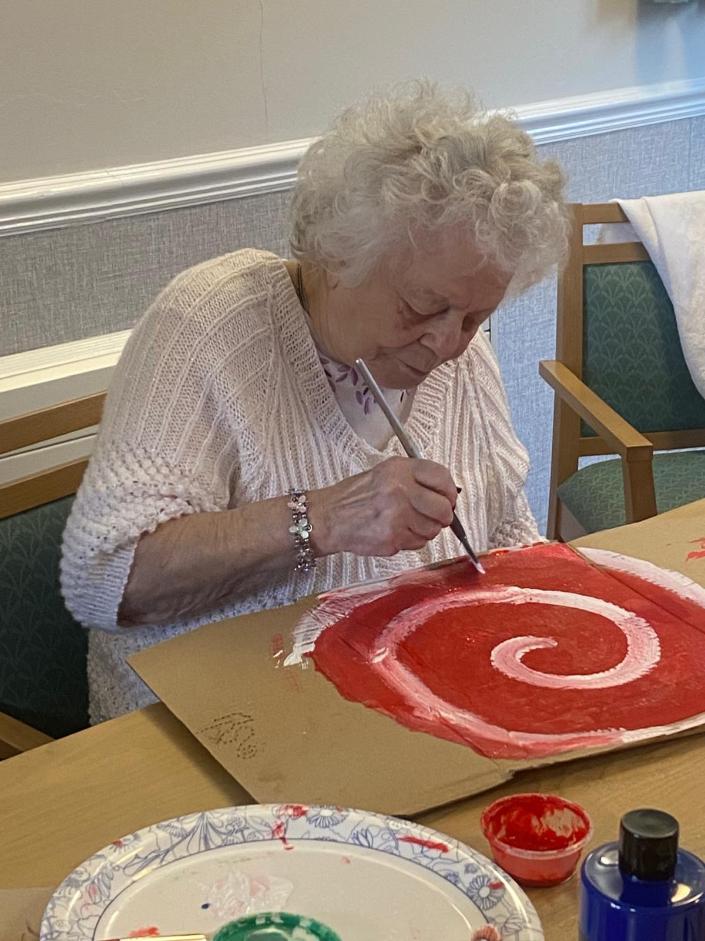
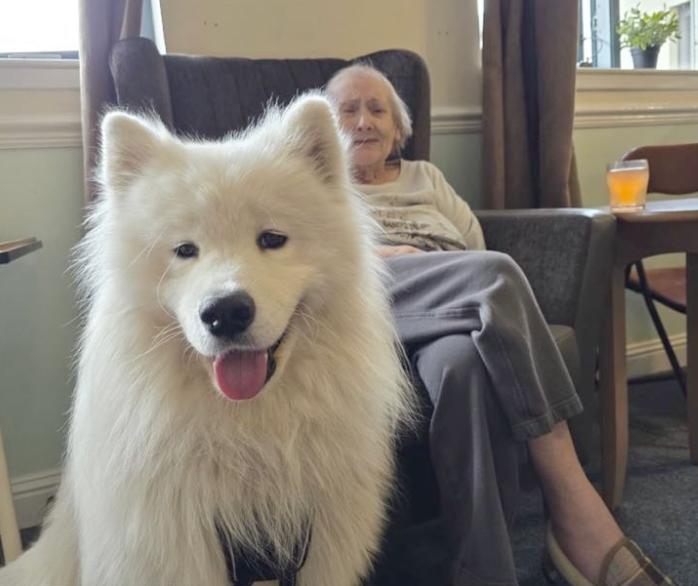
Receiving palliative care in a care home provides a homely and supportive environment where residents can feel comfortable and safe at all times. Residents have the freedom to spend their time as they wish, whether relaxing in communal spaces or enjoying the privacy of their own bedroom. Some luxury care homes will include facilities such as activities, private gardens and even a cinema. Daily life remains personal and familiar, with meals tailored to each resident’s tastes.
Families are always welcome, with unlimited and unrestricted visits, helping loved ones stay close and involved. For added reassurance, residents and their families have 24-hour on-call support from familiar, friendly nurses, providing peace of mind that compassionate care is always available whenever it is needed.
Palliative Care in Edinburgh
Here at Guthrie House Care Home in Edinburgh, our highly-skilled and compassionate team is dedicated to providing the highest quality of life for all our residents. Every aspect of our exceptional care is carefully designed to relive discomfort, manage symptoms and enhance wellbeing through every stage of our residents’ lives with us.
We know that considering palliative care is a tough step to take, which is why we’re here to support you and your loved ones through this emotional time. Please get in touch with our friendly team today to discuss how we can help you.