
Supporting a loved one who is living with dementia can bring many different emotions. As their needs change, it can become difficult to know when support at home is no longer enough.
Every person experiences dementia differently and each family’s circumstances are unique. Recognising changes in your loved one’s situation can help you decide when it may be time to consider additional care. A move into the right dementia care home does not mean taking away their independence. It can provide the reassurance, companionship and personalised support they need to keep enjoying life on their own terms.
They Are Struggling With Everyday Tasks
Many people continue to live independently for some time after receiving a dementia diagnosis. There are more than 100 recognised types of dementia and each can affect everyone differently, so changes do not always happen in a predictable way.
You may begin to notice that everyday tasks such as washing, getting dressed, cleaning, cooking or general household maintenance have become difficult for your loved one. Neglecting these can have an adverse effect on physical health, confidence and emotional wellbeing.
In a dementia care home, trained carers follow a personalised care plan based on each resident’s routines, preferences and abilities. Staff should encourage your loved one to do whatever they can safely manage, but offer patient support when it is wanted or needed, prioritising independence and boosting confidence.
They Have Experienced a Fall
A fall can be frightening for both the person involved and their family, and can leave individuals feeling nervous about moving around their home or using the stairs. Repeated falls can be a sign that your loved ones’ environment no longer meets their needs safely, whether it be due to cluttered walkways, poor lighting, loose rugs or uneven flooring.
A dementia care home that provides nursing care can support someone while they recover from an injury in a comfortable, homely setting rather than a hospital environment. Staff can assist with mobility, medication and personal care while encouraging the person to rebuild their strength and confidence at a suitable pace.
Dementia can affect how a person understands the space around them, meaning a shadow, shiny floor or unfamiliar object may appear unsafe. A purpose-designed, dementia-friendly environment may include clear signs, suitable lighting, accessible communal spaces and staff who are always nearby can help your loved one move around with greater confidence. This can offer welcome peace of mind to everyone involved.
Their Behaviour Is Changing
Dementia can affect how a person thinks, communicates and responds to the world around them. They may insist on leaving the house, using the cooker or making phone calls even when doing so could place them or someone else at risk.
Specialist dementia carers understand how to respond calmly during these more difficult moments. As staff get to know your loved one, they will learn which approaches help them feel settled, understood and respected.
They Need 24-Hour Care
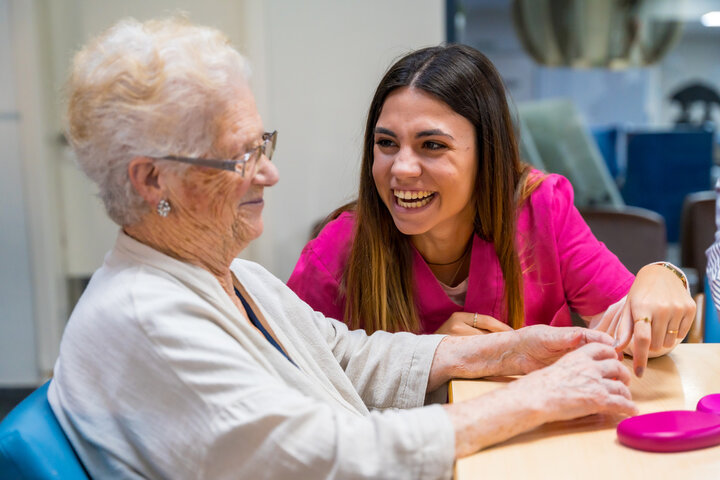
Your loved one’s physical health may change alongside their dementia. They might need help during the night, regular medication or support with eating, drinking and moving safely. Family visits can provide valuable assistance, but there may come a point when occasional support cannot meet their needs around-the-clock.
A dementia care home provides access to compassionate care 24 hours a day. Registered nurses can also oversee more complex health needs and respond quickly when the person feels unwell or their condition changes. Staff who have taken the time to understand your loved one will recognise subtle changes and offer support in a familiar way.
They Are Feeling Lonely
Dementia can gradually make it harder for someone to stay connected with other people. Your loved one may no longer feel comfortable leaving the house alone, using public transport or visiting friends. They might also withdraw from conversations due to a loss of confidence. People living with dementia, particularly those who live alone, may be at greater risk of isolation.
A care home offers regular opportunities for socialisation, as well as safe day trips out of the home. Your loved one may choose to have a cup of tea with another resident, spend time in a shared lounge or join an activity that interests them. Staff are also available for a friendly conversation and can help residents keep in touch with the people who matter to them.
This supportive atmosphere can restore a sense of connection while allowing your loved one to enjoy privacy and quiet time whenever they prefer.

They Have Neglected Their Hobbies
Living with dementia should not mean giving up the things a person loves. However, someone may stop gardening, baking, painting or listening to music because they find it harder without support.
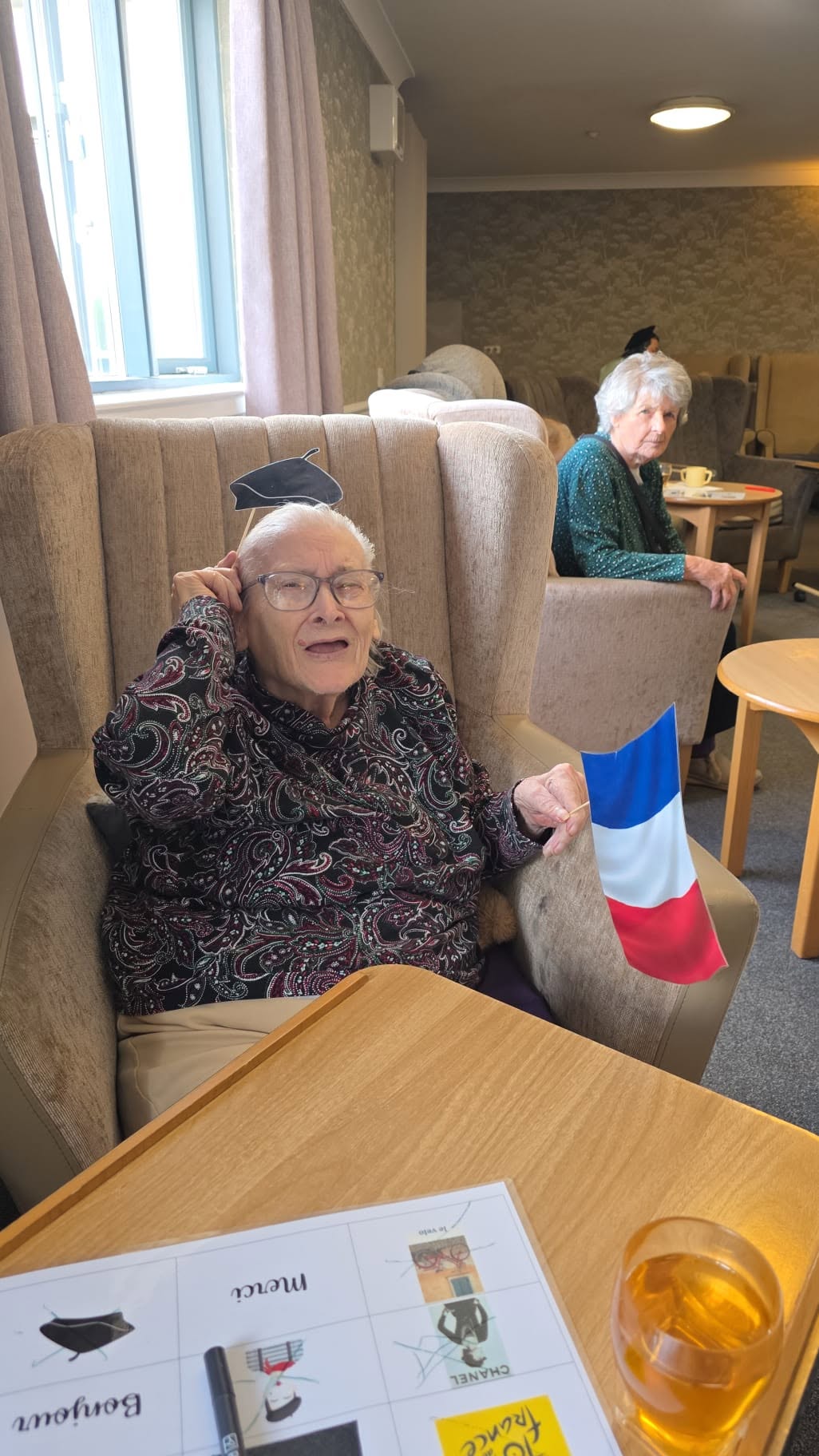
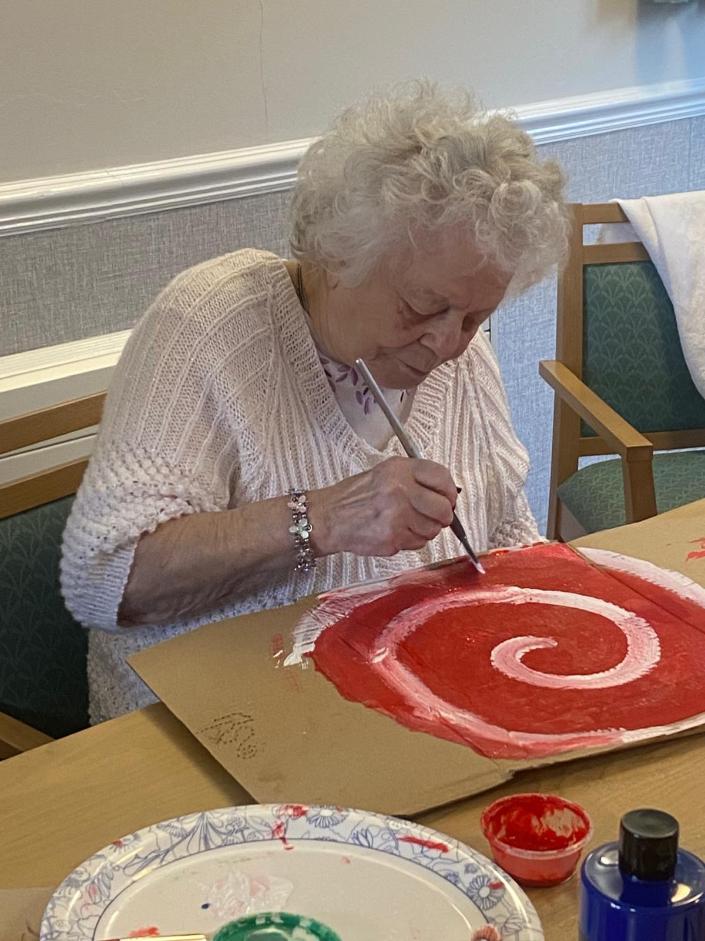
Many dementia care homes create activity programmes around each resident’s interests and background. Sessions can be adapted, allowing everyone to take part in a way that feels enjoyable, rather than demanding. Carers remain close by to offer encouragement and practical help, making it easier for everyone to feel included.
Dementia-friendly activities may include gentle exercise, music, reminiscence, arts & crafts and games that encourage communication or concentration. Cognitive stimulation therapy, for example, uses activities and conversation to support thinking, memory and communication.
Regular mental, physical and social engagement supports cognitive function and overall wellbeing. Most importantly, continuing with familiar interests can help your loved one express who they are.
Looking After Them Is Becoming Challenging
Caring for someone you love can be deeply rewarding, but it can also require a great deal of time, energy and emotional strength. You may be balancing their care with work, raising children or managing your own health. As their needs progress, it may become difficult to give them the attention and specialist support you feel they deserve.
Carer burnout can happen at any point and each person’s limits will be different. Moving your loved one into a care home is not abandoning them or letting them down; it is a caring decision made to prioritise their safety, comfort and quality of life.
Providing daily care can also change the relationship you share, and you may end up feeling more like a carer than a partner, son, daughter or friend.
When trained staff take responsibility for everyday care, families can spend their visits enjoying each other’s company again. You can share a meal, look through photographs or simply sit together without worry. In fact, many families find that their relationship becomes closer once the pressure of providing constant care has been lifted.
How to Choose a Care Home for Dementia
When choosing a dementia care home, keep your loved one involved in the decision as much as possible. Listen to what matters to them and consider their interests and personal preferences alongside their care needs. They should remain at the centre of the process and receive any support they need to understand their options.
A home tour is one of the best ways to understand how a care home feels. Spend time in the communal areas, speak to staff and notice how they interact with residents. Where possible, visit with your loved one and ask how they feel about the surroundings before making a decision.
Feel Safe at Our Dementia Care Home in Edinburgh
At Guthrie House Care Home, we understand that choosing dementia care is a significant and emotional step. Our compassionate team supports residents and their families throughout their dementia journey, with personalised care plans, 24-hour support and a welcoming community.
We would love to welcome you for a tour of our home, to meet our team and discover how we support you and your loved one. Our friendly care experts can’t wait to meet you.